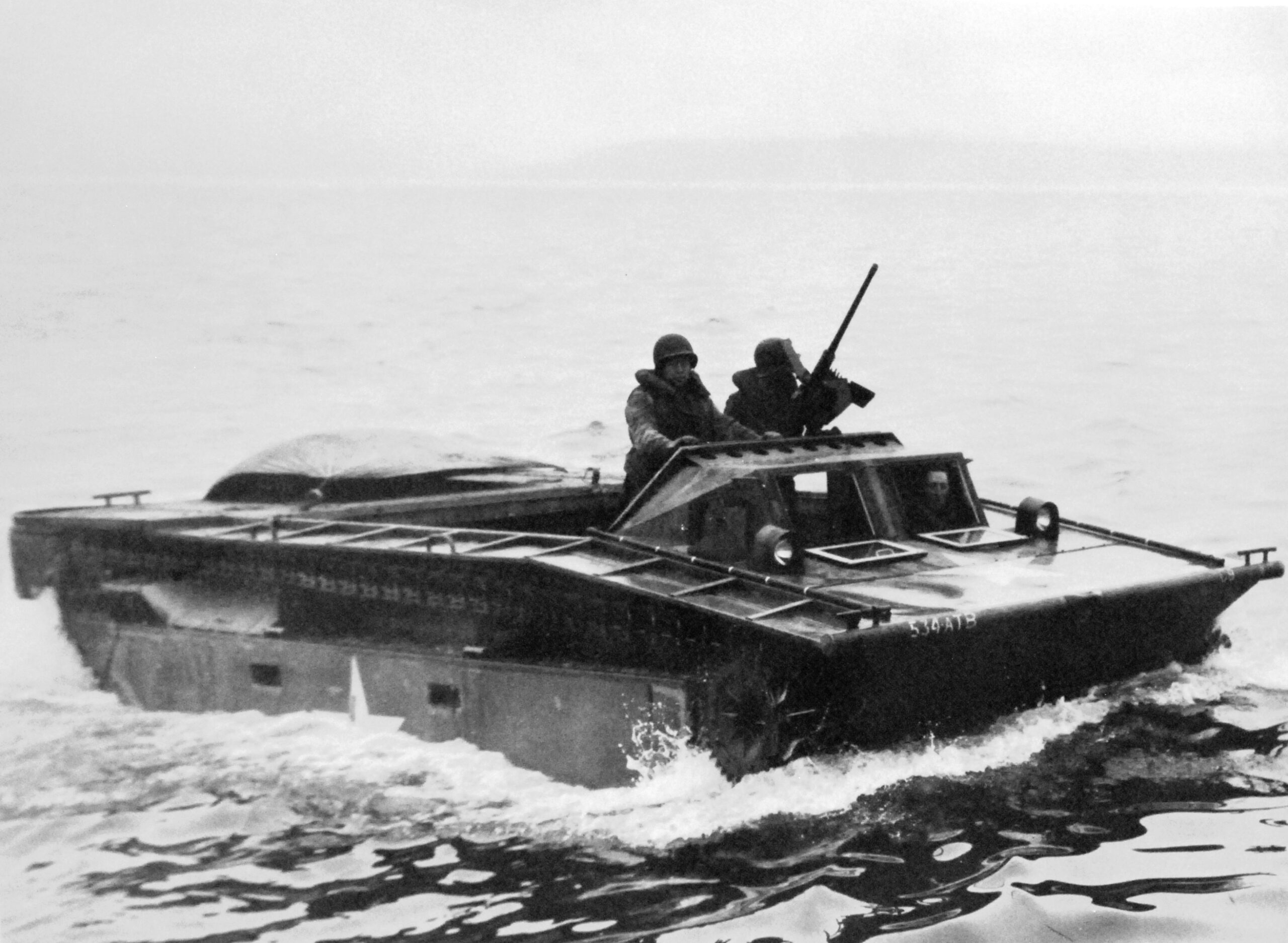
⚓ World War II: Birth of the Amphibious Fleet
How steel, strategy, and stormed beaches reshaped global warfare
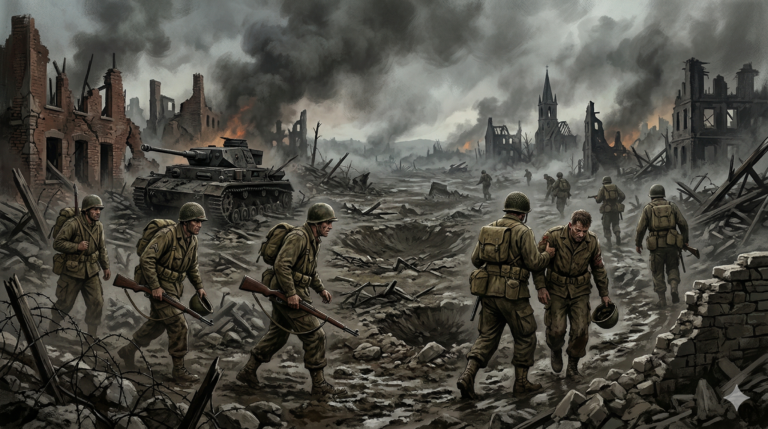
When World War II ignited a global firestorm, it forced a complete rethinking of how wars were fought—especially how they were landed. Victory wouldn’t come from the sea alone. It would require putting boots on the ground in the most hostile and fortified places on Earth. That meant the U.S. Navy had to rapidly develop an entirely new kind of fleet: the amphibious fleet.
🌊 Why Amphibious Warfare Was Essential
From the island chains of the Pacific to the beaches of Nazi-occupied Europe, one truth was clear: to win the war, the Allies needed to land forces directly onto enemy shores.
- In Europe, Hitler’s “Fortress Europe” could only be breached by massive seaborne invasion.
- In the Pacific, Japan’s island strongholds had to be taken one brutal beachhead at a time.
Neither theater left room for traditional naval tactics. The U.S. needed vessels that could deliver tanks, troops, and supplies onto beaches under fire. Thus was born the modern amphibious fleet.
🚢 The Arsenal of Amphibious Assault
By 1945, the U.S. had developed and deployed an unprecedented range of specialized amphibious ships:
- LST (Landing Ship, Tank) – These 328-foot vessels could beach themselves and unload tanks directly onto sand.
- LCI/LSI (Landing Craft, Infantry/Small) – Designed to carry platoons of infantry into the fray.
- APA (Attack Transport) – Larger ships that launched waves of smaller landing craft full of troops.
- LVTs (Amtracs) – Armored amphibious tractors that ferried Marines over reef and surf.
⚔️ Iconic Amphibious Operations
These ships weren’t just floating steel—they were instruments of liberation:
- D-Day, June 6, 1944: Over 5,000 ships and landing craft took part in the largest amphibious invasion in history. Without them, Normandy could never have been breached.
- Iwo Jima & Okinawa: Bloody island battles made possible by coordinated amphibious assaults, where Marines stormed beaches under intense fire.
The Pacific Theater alone saw over 100 major amphibious operations between 1942 and 1945. These missions required precision coordination between sea, air, and land forces—and changed the very nature of modern warfare.
📈 By the Numbers
By the end of WWII, the U.S. Navy had nearly 6,800 amphibious ships in service. These included:
- 1,600+ Amphibious ships (LSTs, LCIs, etc.)
- Thousands of landing craft
- Hundreds of support ships providing fuel, repairs, and medical care
This wasn’t just a fleet—it was a floating invasion force.
🧭 Legacy of Innovation
WWII amphibious warfare was more than brute force. It was a logistical miracle of engineering, innovation, and courage. The technologies and tactics pioneered during the war became the foundation of modern amphibious doctrine.
Today’s U.S. Navy and Marine Corps still build on the lessons of WWII—fighting smarter, moving faster, and projecting power from sea to shore with unmatched precision.
Want to dive deeper into the hidden engines of history? Follow @ChronoChamber for daily facts, timelines, and the stories behind the battles that shaped the world.